Not an Idea. A Realisation.
Sansthas did not begin as a startup pitch or a product idea. It emerged from years of firsthand experience—watching meaningful work get buried under operational chaos, and realizing that the gap wasn't about funding or intent. It was about infrastructure.
The Founders
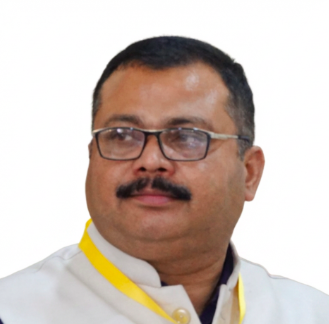
Rajib Dutta
Co-founder
From village fields to national policy halls, Rajib has lived the realities of grassroots India.
For over a decade, Rajib worked at the intersection of social development, institutional support, and community empowerment. He led initiatives in child welfare, education, cultural preservation, and livelihoods—collaborating with government bodies, CSR partners, and local institutions across Assam and the Northeast. His journey took him from coordinating Farmer Producer Organizations (FPOs) with NABARD support, to leading child protection programs under the Integrated Child Protection Scheme (ICPS). He worked with cultural heritage institutions like the historic Bordua Than Naamghar and supported organisations across sectors—from tribal welfare to rural entrepreneurship. Through all of this, he saw the same problem repeat: organisations doing critical work were constantly slowed down by a lack of systems. There was no structure for managing members, tracking funds, or coordinating operations—and the tools available were either too complex or too disconnected. This wasn't a tech problem alone. It was an operational gap that affected trust, transparency, and long-term sustainability.
"The work was real. The intent was strong. But the systems were missing."
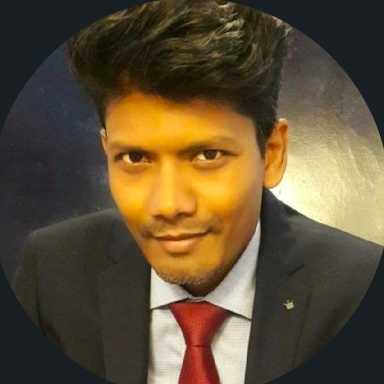
Ravi Hansdak
Co-founder
An engineer who saw systems where others saw spreadsheets.
Ravi spent years building and scaling technology platforms across sectors—from enterprise solutions to consumer products. But it was his engagement with mission-driven organizations that reshaped his perspective. He saw institutions with decades of legacy and community trust struggle to operate efficiently—not because they lacked will, but because they lacked infrastructure. Financial tracking was manual. Member data was scattered. Decision-making was reactive. Ravi realized this wasn't a lack of intent—it was a lack of the right tools. Most available solutions were either too expensive, too complex, or designed for a different context altogether. He saw the opportunity to build something different—an operating system designed from the ground up for the specific needs of Indian institutions: temples, trusts, NGOs, cooperatives, and cultural bodies.
"Technology should simplify, not complicate. These organizations deserved better."
In 2023, Rajib and Ravi came together—not with a pitch deck, but with a shared frustration. They had seen enough organizations struggle. They had seen enough good work go unnoticed. They decided it was time to build something that could change that.
"Sansthas isn't a product we imagined. It's a solution we had to build—because the alternative was watching more organisations drown in complexity while doing meaningful work."